Getting Things Done Together

Dear friends,
The days are stretching longer, the snow is finally melting, and spring is beginning to stir at VHC. As always, life here is full of shared meals, shared work, and the satisfying rhythm of getting things done together.

One big recent milestone: after lots of research, budgeting, and coordination, we now have a brand-new electric commercial stove in our Common House kitchen. We’re delighted to start breaking it in, and if you join us for a meal in March, you’ll be among the first to enjoy the results.

This month, we’re also preparing for our community retreat, where we’ll explore proposals for how to focus our energy and finances in the months ahead. It’s a chance to put sociocracy into practice—coming together, listening carefully, and making thoughtful decisions as a community.

If you’d like to join us for a meal, tour, or work day, email info@villagehillcohousing.org to RSVP. If you’ll be coming to a meal, we ask that you RSVP at least 3 days in advance (meals cost $4-$8 per person).

Mary, Sue, Julie, Mariel, Lisa
(Outreach and Orientation circle)
March Activities at VHC

Thursday, March 5, 6pm. Community Meal

Saturday, March 14, 6pm. Potluck

Thursday, March 19, 6pm. Community Meal

Saturday, March 21, 10:30am. Monthly Members’ Meeting. Hybrid. (Zoom link available)

Saturday, March 21, 12pm. Visitors Tour. RSVP at info@villagehillcohousing.org

Sunday, March 22, 9am-4pm. VHC Work Day 

Meet Mount Snow

Dear friends,

Well, we hope all of you who were in the path of the giant snowstorm were able to stay warm and get yourselves shoveled out. Here at VHC, as with most things, it was a community effort. As the saying goes, “Many hands make light work.”

As some members hibernated, headed to warmer climes, or threw themselves into political action, the work of the community carried on. Research continued around accessing the common house basement and improving affordability of units at VHC. And, coming soon, a new electric stove and EV chargers!  

If you’d like to join us for a meal, tour, or work day, email info@villagehillcohousing.org to RSVP. If you’ll be coming to a meal, we ask that you RSVP at least 3 days in advance (meals cost $4-$8 per person). Mary, Sue, Julie, Mariel, Lisa
(Outreach and Orientation circle)
February Activities at VHC

Thursday, February 7, 6pm. Community Meal

Friday, February 13, 7pm. Dance Party

Saturday, February 14, 6pm. Community Meal

Sunday, February 15, 4pm. Visitors Tour. RSVP at info@villagehillcohousing.org

Sunday, February 15, 5pm. Monthly Members’ Meeting. Hybrid. (Zoom link available)

Thursday, February 19, 6pm. Potluck

Saturday, February 21, 9am-4pm. VHC Work Day 

Saturday, February 28, 6pm. Community Meal

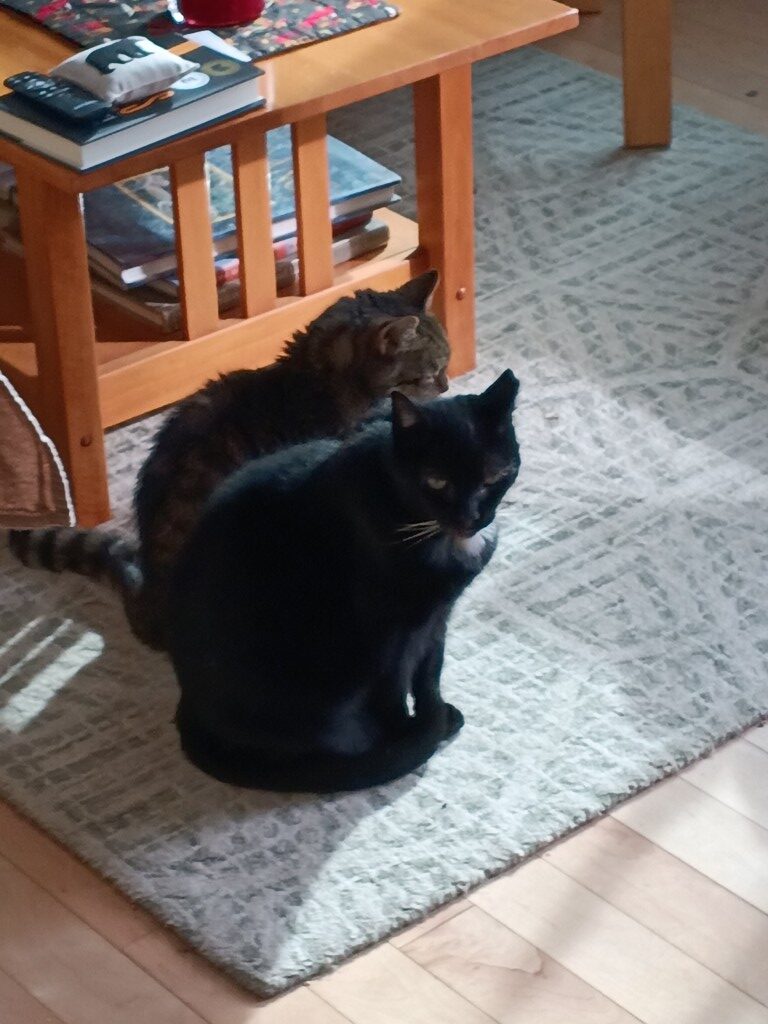
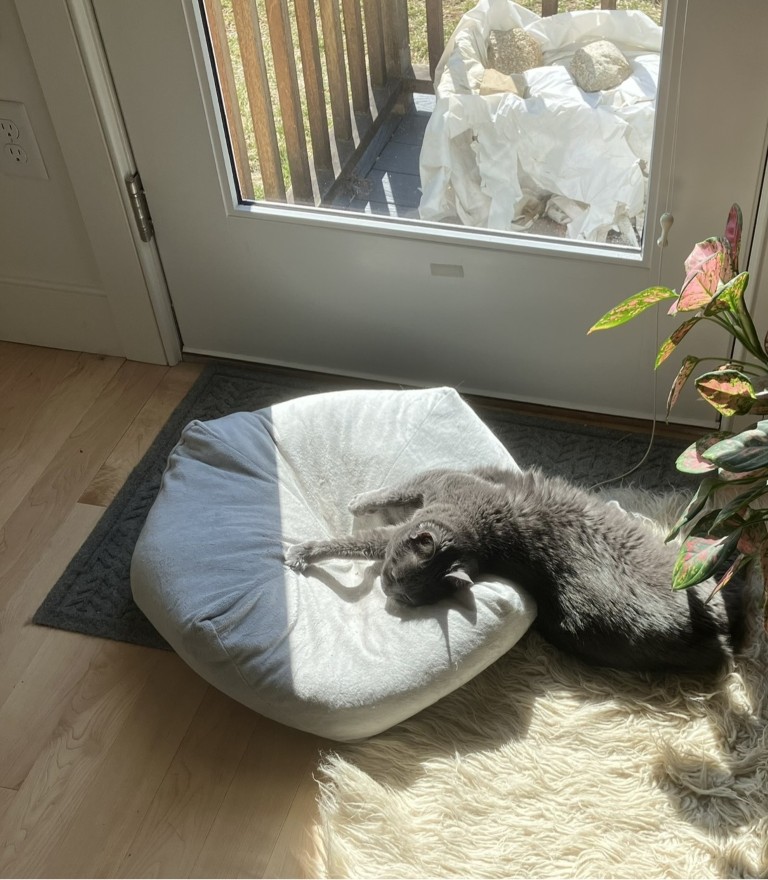
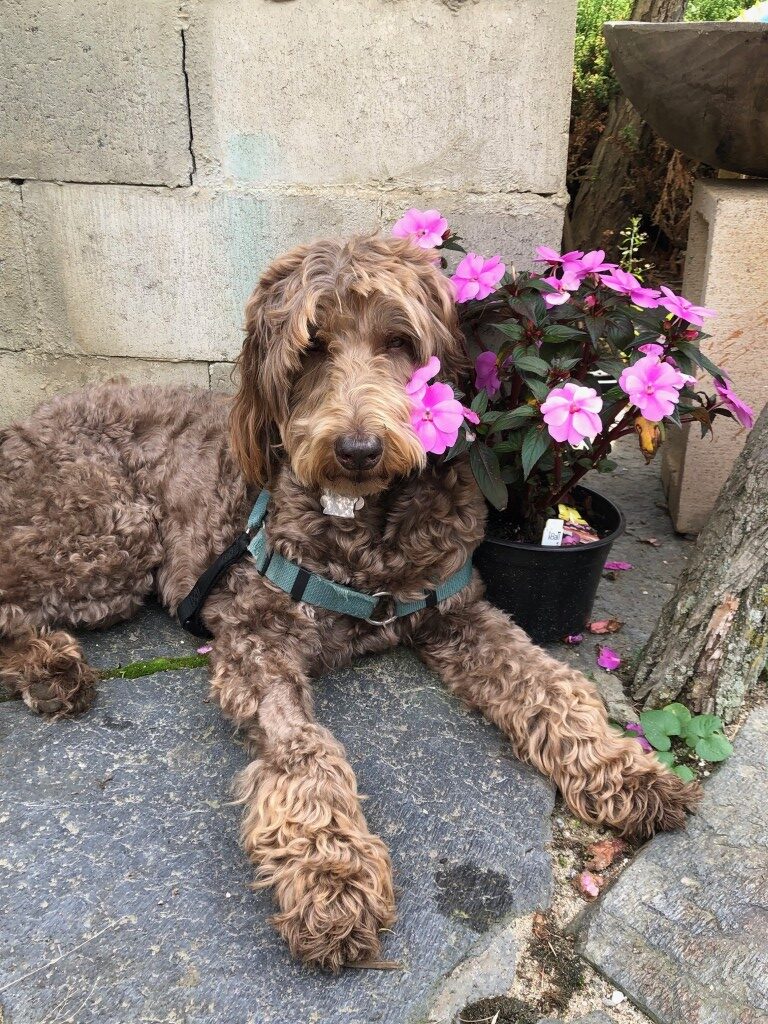
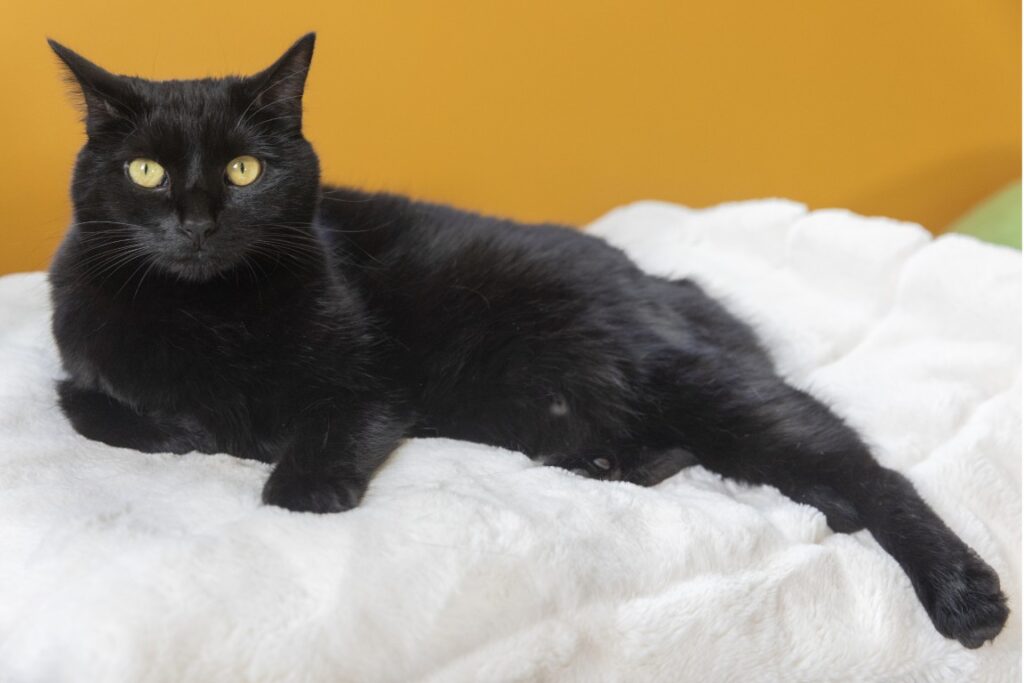
Pet Party – December 2025

This month at VHC, we brought back some beloved annual holiday gatherings, such as the Chanukah candle lighting, Yankee Swap, and Solstice singing. With a couple of snows under our belt, we are settling into the shoveling routine and are enjoying watching the winter birds at the feeders.

As promised, this month’s post features some of the many sweet and spicy cats of VHC, as well as a couple of dog friends inadvertently left out of our dog feature. We always focus on the human members of the community, but these gorgeous companions deserve some recognition too!

If you’d like to join us for a meal, tour, or work day in the new year, email info@villagehillcohousing.org to RSVP. If you’ll be coming to a meal, we ask that you RSVP at least 3 days in advance (meals cost $4-$8 per person).

Mary, Sue, Julie, Mariel, Lisa
(Outreach and Orientation circle)
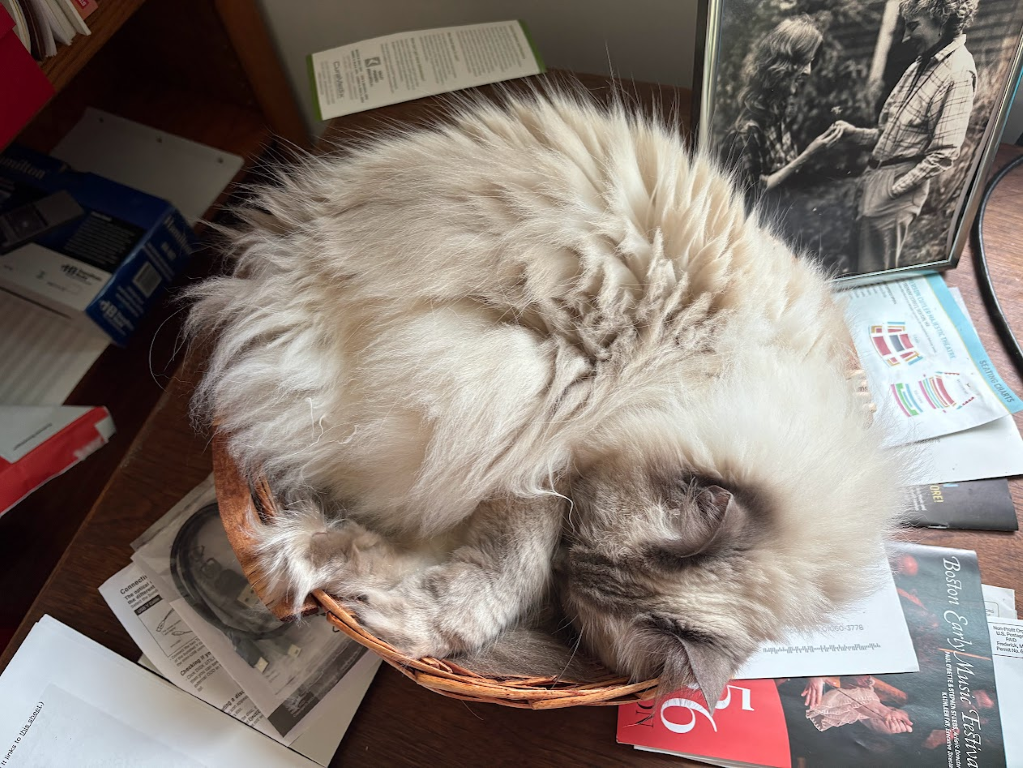
Dore and Diego
Penny

January Activities at VHC

Saturday, January 3, 6pm. Community Meal

Thursday, January 8, 6pm. Community Meal

Saturday, January 17, 9am-4pm. VHC Work Day 

Saturday, January 17, 6pm. Potluck

Sunday, January 18, 4pm. Visitors Tour. RSVP at info@villagehillcohousing.org

Sunday, January 18, 5pm. Monthly Members’ Meeting. Hybrid. (Zoom link available)

Wednesday, January 21, 6pm. Community Meal
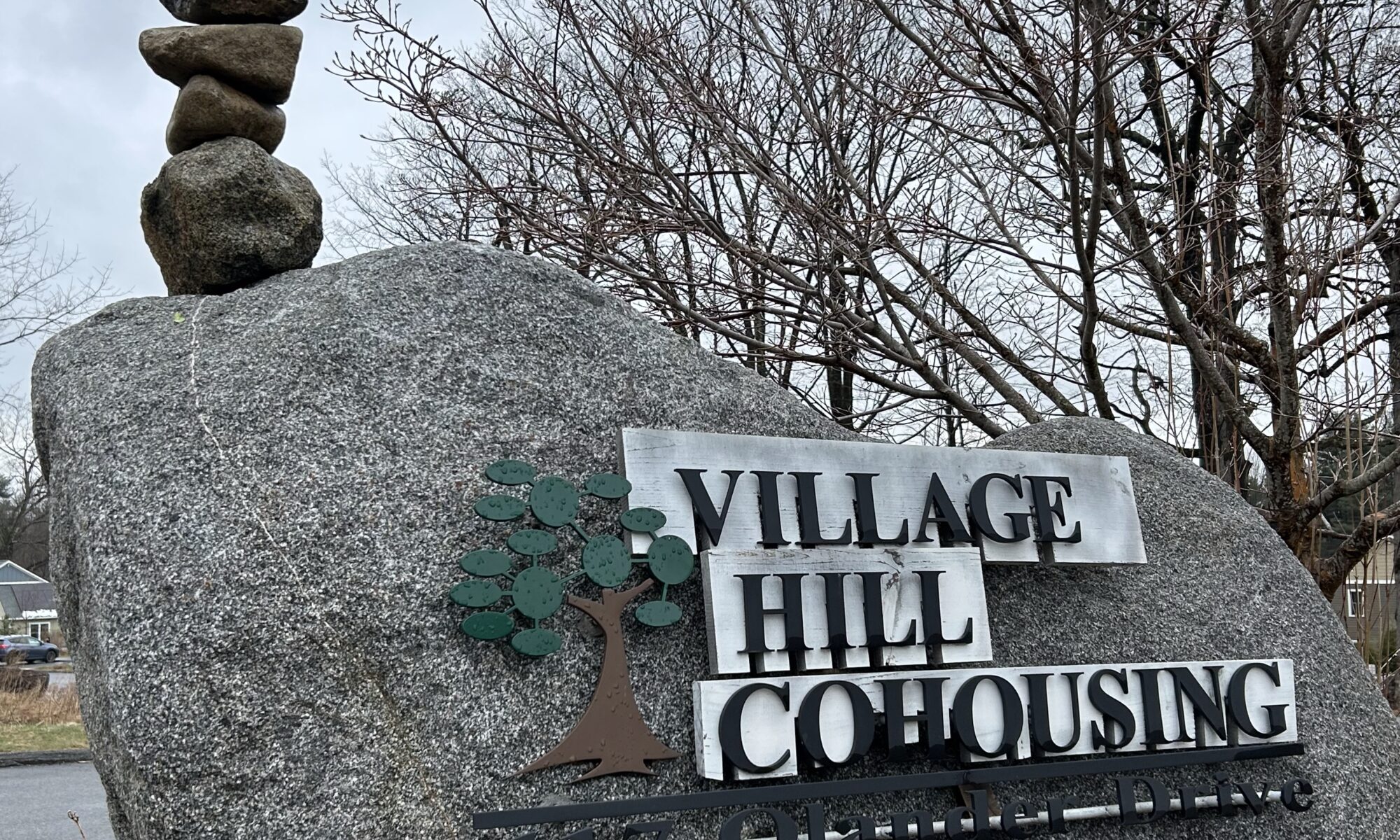
National Cohousing Open House 2025 – May 3

On Saturday, May 3rd, cohousing communities around the US will open their doors to prospective members. Village Hill Cohousing is joining in on the fun! 

Stop by VHC from 1-2 and 2-3 for a tour, information session, and a chance to talk with members. 

Email info@villagehillcohousing.org to sign up and for more information. Please let us know if you will come from 1-2 or 2-3 and if you need childcare.

May 3, 2025 | 117 Olander Dr. Northampton, MA 1-3 PM

Save the Date, National Cohousing Open House Day

On Saturday, May 4th, cohousing communities around the US will open their doors to prospective members. Village Hill Cohousing is joining in on the fun! 

Stop by VHC from 1-2 and 2-3 for a tour, information session, and a chance to talk and break bread with members.  We’ll be serving homemade daal at 3pm in our spacious Common House dining room.

May 4, 2024 | 117 Olander Dr. Northampton, MA 1-3 PM
Email info@villagehillcohousing.org to sign up and for more information.

Happy New Year from VHC!

New year, new look! Welcome to the redesigned VHC website. We hope you’ll easily find everything you need to learn about our community.

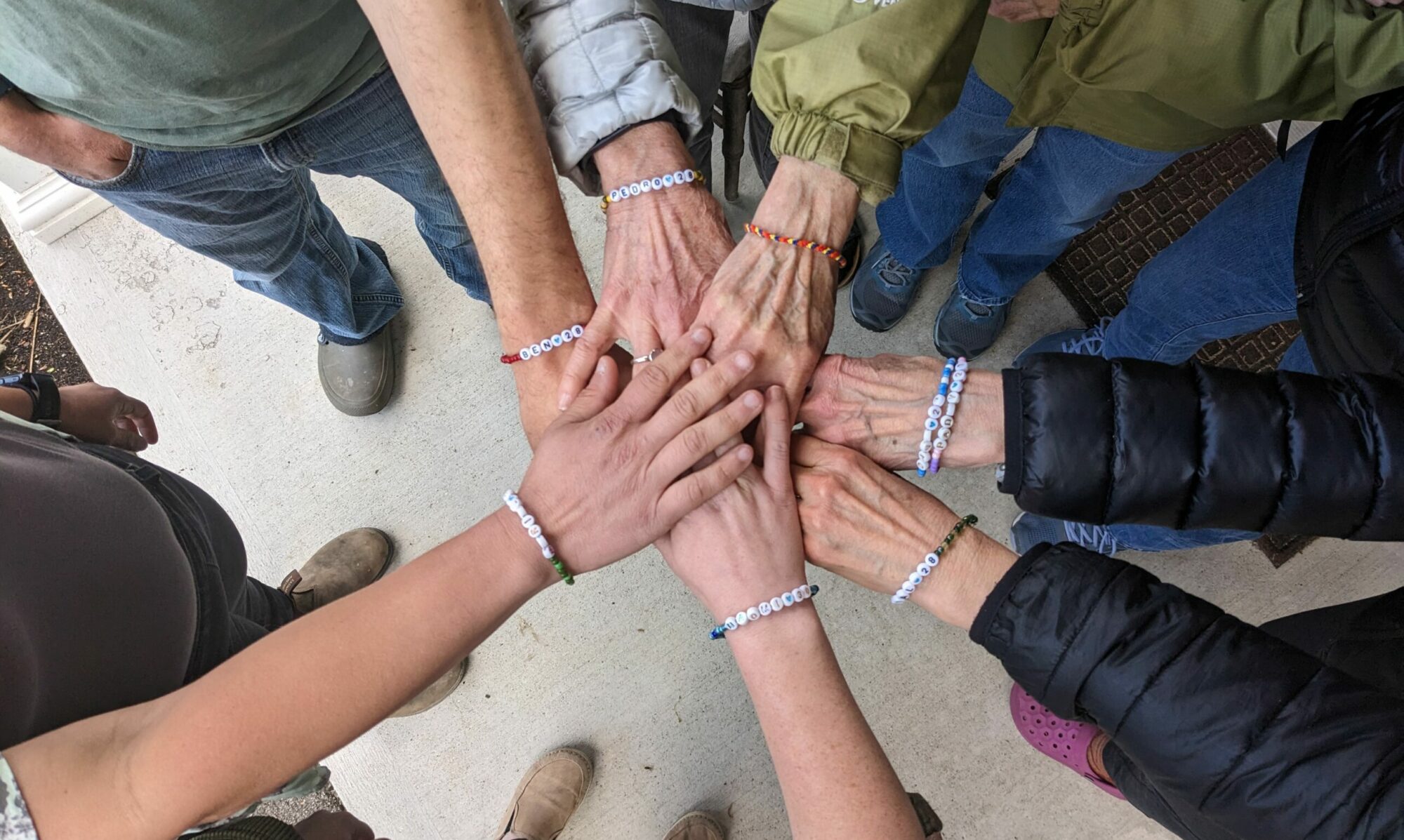
Pictured on this page is a series of friendship bracelets that one of our members’ daughters, Anya, made for people who contributed to her Ovarian Cancer Five Boro Bike Tour fundraiser. It’s just one small example of ways our community came together to support each other in 2023.

At VHC we have a lot to look forward to this year, like welcoming new neighbors, including VHC’s first newborn! 2024 may even bring solar panels to the common house and chickens to the garden. We know there will also be some challenges that we will face together in achieving our sustainability goals, caring for our land and one another, and learning even better ways to organize ourselves for shared decision-making.  

If your travels this year bring you to the Northampton area, we’d love to have you join us for a meal, work day, or other event by emailing info@villagehillcohousing.org. 

If you’re in the area, come join us for an upcoming meal or event:

Sunday, January 7, 3pm. VHC Live! Screening & Discussion of the film The Ritchie Boys 

Wednesday, January 10, 6pm. Board Games 

Thursday, January 11, 6:30pm. Community Meal 

Saturday, January 20, 9am-4pm. VHC Work Day 

Wednesday, January 24, 6pm. Board Games 

Saturday, January 27, 6pm. Community Meal  

Sunday, January 28, 10:30am. Monthly Members’ Meeting. Hybrid. (Zoom link available) 

Sunday, January 28, 12pm. Tour for Visitors. RSVP at info@villagehillcohousing.org 

Ongoing: 

Mondays, 4-5pm & Thursdays, 5:30-6:30pm. Social Gatherings 

Thursdays, 8:30 am. Coffee+ in the Common House Fridays, 11 am-2 pm. Co-working in the Common House

Good Bugs

Have you seen any red beetles on your milkweed? Wait before you send them to their watery death, these are the “good guys.”

 If you look carefully, long before the monarchs arrive you may see a spotted, long red beetle with curled black antennae. This is a red milkweed beetle. They may have black spots or pattern (not white spots, that’s a bad bug!)

The red milkweed beetle (Tetraopes tetrophthalmus) There are different kinds of milkweed beetles, specializing in different types of milkweed; the red milkweed beetle prefers common milkweed (Asclepias syriaca).

A close up of a bug on a leaf

Description automatically generated

Most species of insects try to camouflage themselves from predators, but since milkweeds are toxic to many predators, the milkweed beetles as consumers of milkweed, are also toxic to many predators. Pretty smart for an insect!

Native long-horned beetles, such as the red milkweed beetle, have a valuable place in our ecosystem and only  eat milkweed. They are not harmful to monarchs or harm monarch eggs or larvae, so we can all coexist quite happily.

Why add some native plants to your garden?

As you work on your gardens this summer and fall, planting native plants in our suburban/rural gardens can help sustain the biodiversity of our ecosystem. Native birds, bees, and insects are very choosy about their food source. If it is not available, the wildlife population diminishes.

For example, due to loss of habitat, there has been a 50% reduction in population for many of our bird species in the space of 50 years (Tallamy, Bringing Nature Home). But there is something we can do.

For example, penstemon flowers (native) can feed three species of bumble bees, five species of moths, and one hummingbird species. Talk about a workhorse! The popular butterfly bush?  Butterfly bushes benefit pollinators but only at one stage of their life cycle. The bush attracts butterflies because it provides copious nectar. However, butterflies need host plants on which to lay eggs and on which their caterpillars feed. Not a single native caterpillar eats Butterfly bush leaves. Butterfly bushes (not native) originate in China. (Spotlight Truth about butterfly bush).  What we plant in our gardens makes a difference for bees, birds, butterflies, and beneficial insects in our neighborhood. What’s not to like?

To learn more:  

Mass Pollinator Network, https://masspollinatornetwork.dreamhosters.com

Western MA Master Gardeners, https://www.wmmga.org

Rain Barrels and Mosquitoes

We are now in prime season for biting insects, including mosquitoes. Mosquitoes usually remain active until hard frost. General rules to follow to reduce the hazard from them are:

  • Keep gutters clean and be sure they drain properly;
  • Remove sources of standing water in yards, where mosquitoes can breed – drain water out of flower pots, plant saucers, tarps, buckets, barrels, tires, bird baths, trash containers, toys, child’s wading pools, and other various containers and objects that can trap water;
  • And protect yourself with mosquito repellant particularly at dawn and dusk.

In pools of water you cannot empty, such as rain barrels, water gardens, swimming pools and tree cavities, you can treat them with mosquito dunks. These doughnut shaped wafers contain a naturally occurring bacterium known as Bacillus thuringiensis israelensis that kills mosquito larvae before they are able to mature. Mosquito dunks containing this bacterium are effective for around 30 days and are not harmful to fish, birds, mammals or other wildlife. You may need to replace them sooner after heavy downpours.

For more:

https://ag.umass.edu/landscape/newsletters/hort-notes/hort-notes-2019-vol-307

https://chatham.ces.ncsu.edu/2014/08/battling-mosquitoes-2/

Growing fruit trees on our land

Karen highlighted at a recent full circle meeting that Grounds has divided up all of our land into 13 areas and is examining each to come up with a plan for further planting and improvement. This issue, we want to highlight the area behind the carports on the North side, between VHC and the North Commons development.

A sub-team from Grounds Circle is interested in planting native fruit and nut trees on the hillside between Village Hill and North Commons. The tentative purposes are to grow native foods for the community, create wildlife habitat and reduce the impact of invasive plants that reduce wildlife habitat.

Potential plants include pawpawAmerican persimmonCanadian plumAmerican chestnut and others. Details about these plants are here. There is a map of the site with potential plant placements in the small dining room in the common house. Look for the VHC map with circles of colored paper on it.

We hopefully will move these maps to a more visible area near the mailroom. Our plan is to finish making an overall plan, one that may take years, and show it on the map. Then each planting season we will pick a piece of it to tackle and slowly we will fill in the map to show the areas that have been worked and the ones that remain.